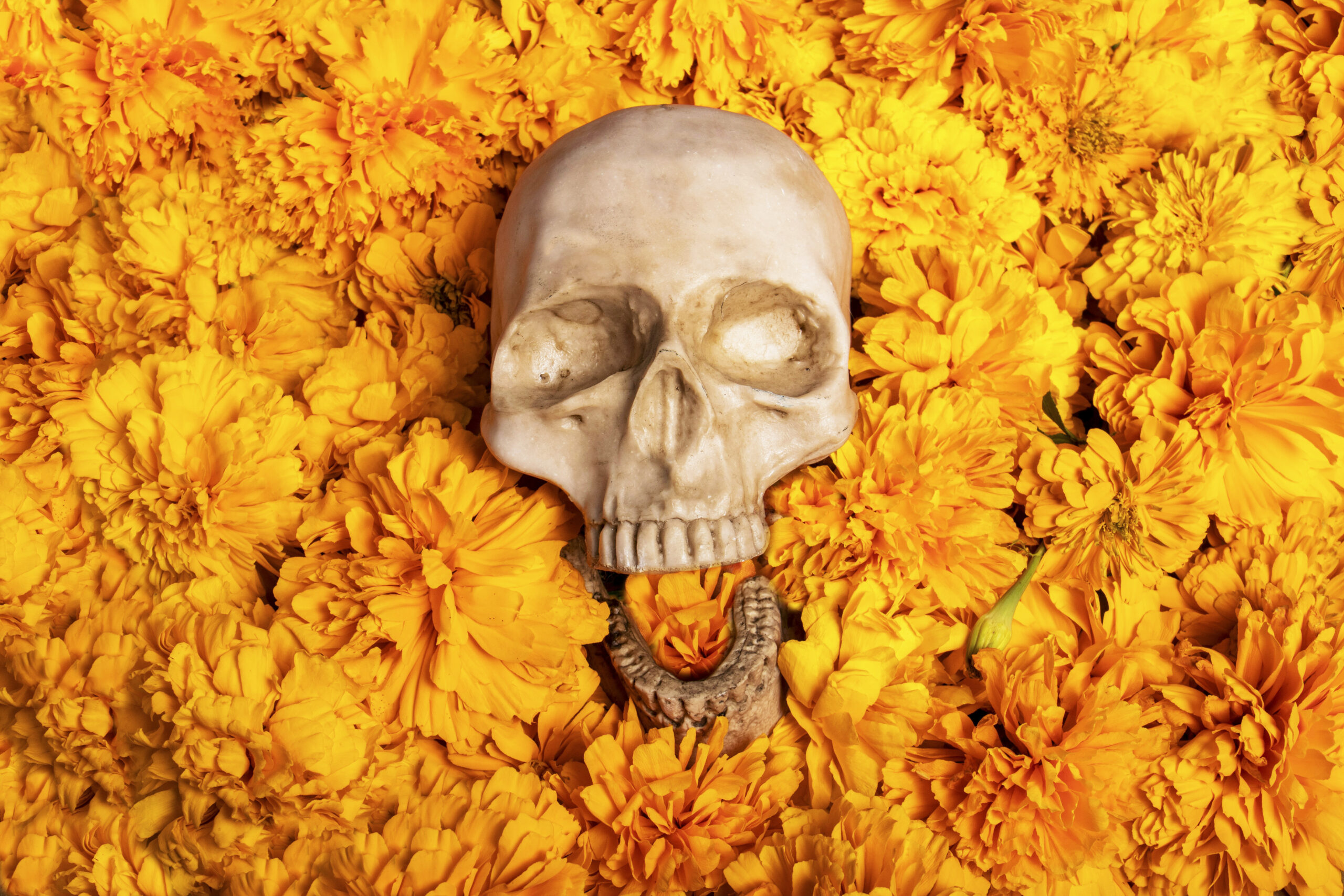
Tonight, my wife Mary and I will welcome friends for our annual Día de los Muertos celebration. There will be food, laughter, stories, and maybe a few tears. And although we won’t be able to see them, some of our most cherished guests will be people who are no longer alive.
That’s the peculiar beauty of the Mexican tradition we call the Day of the Dead. It invites us to regard death not merely as an ending, but as another chapter in the enduring relationship between the living and those we’ve loved and lost.
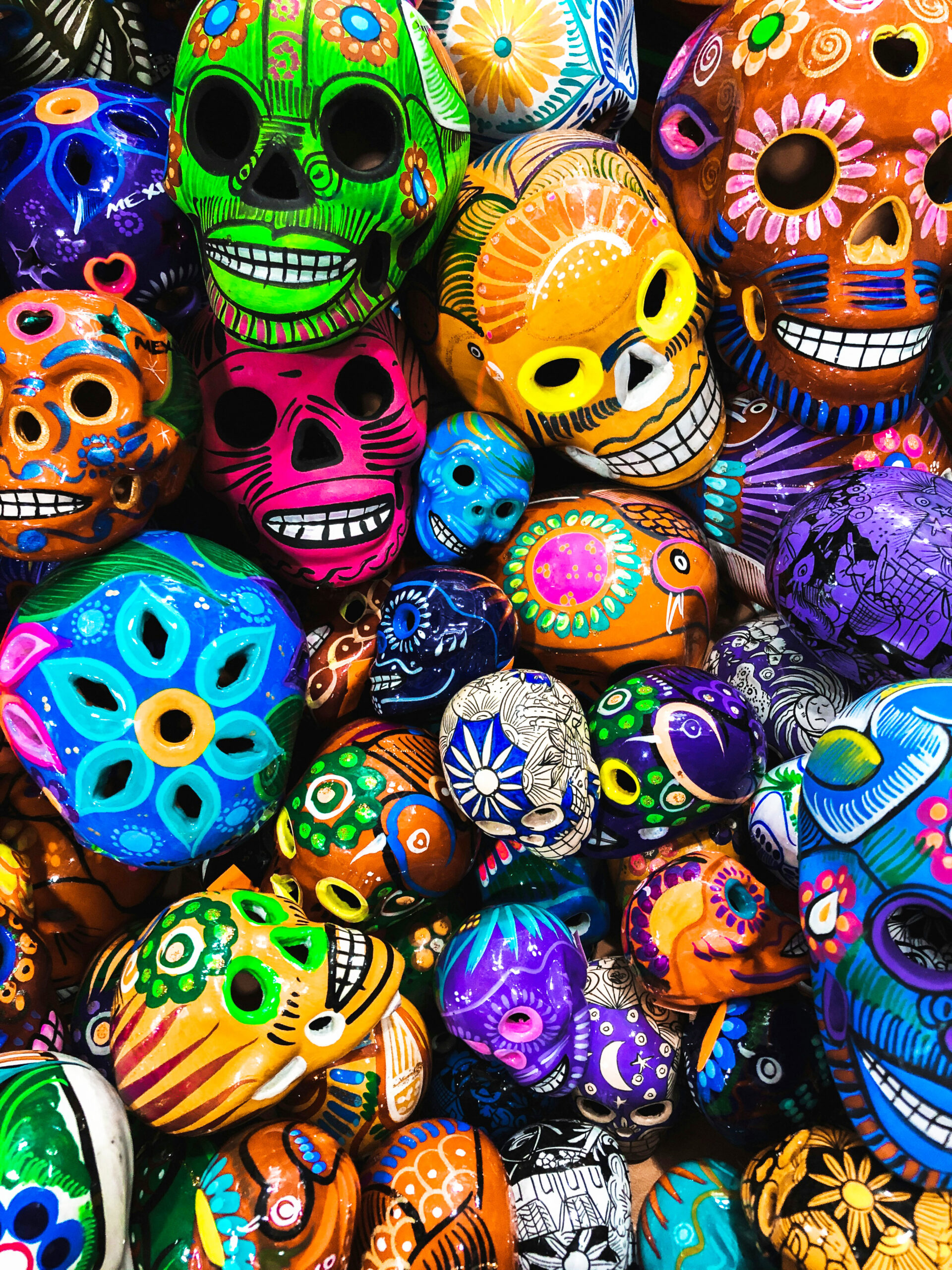
It is a holiday of marigolds, candles, photographs, favorite foods, and brightly painted skulls. But beneath its colorful pageantry lies a simple, profoundly human proposition: The dead are not entirely gone as long as somebody remembers them.
 I’ve spent much of my writing life in the company of dead people. As a true-crime author, I’ve come to know murder victims through old photographs, police reports, love letters, and the recollections of people who still miss them decades later. I’ve walked through lonely cemeteries and stood in rooms where terrible things happened. I’ve seen how death can steal a life in an instant, while grief takes its time stealing little pieces of the survivors.
And I’ve learned something. There’s an important distinction between remembering the dead and refusing to let them be forgotten. The first is an emotion. The second is an act of love.
In my mystery novel DEEP END, there’s a somber scene in which Father Bert, an aging Catholic priest, washes the headstones in a cemetery. It’s humble work, hardly the sort of thing that changes the world. But as he scrubs away the accumulated grime of passing years, he speaks the person’s name aloud.
It’s an old belief associated with Mexican remembrance traditions, he explains.
Every person dies twice.
The first death comes when our heart stops beating.
The second comes when somebody speaks our name for the very last time.
Consider that. A man might have been dead for a hundred years, his bones turned to dust, his possessions scattered, his accomplishments forgotten. But if someone kneels beside his grave, brushes the dirt from his name, and whispers it aloud, something extraordinary happens.
For one fleeting moment, he is here again.
Father Bert understands something the rest of us too easily forget. He cannot reverse death. He cannot restore a heartbeat or give the dead another sunrise. But with a bucket of water, a rag, and a little tenderness, he can postpone that second death.
I find something almost unbearably beautiful in that. We live in a world obsessed with being remembered. We carve our names into buildings, collect trophies, accumulate followers, and measure our worth by the attention we attract. Yet most of us will eventually disappear from the world’s memory, as surely as footprints disappear beneath a rising tide.
Maybe immortality was never about being remembered by everybody. Maybe it’s about being remembered by somebody.
So tonight, as Mary and I celebrate the Day of the Dead, I hope we’ll speak a few names that haven’t been spoken in a while. We’ll remember the laughter, the mischief, the imperfections, and the thousand ordinary moments that made those lives extraordinary to us.
Because the people we love deserve to be remembered for more than the fact that they died. They deserve to be remembered because they lived.
And here’s a thought worth carrying beyond this holiday:
Someday, someone will speak your name for the last time.
You won’t know when.
Neither will they.
So while we have breath, let’s be generous with the names of those who no longer do. It costs us nothing to say them.
And it might just give them a little bit more of forever.
Cover photo by Erika Lowe; insert photo by Eduardo Dorantes