
I have always been a little suspicious of tidy labels for messy things, and nothing is messier than human beings. Yet here we are, happily sorting ourselves into generational bins like socks from a communal dryer: Boomers, Generation Jones, Gen X, Millennials, Gen Z—each with its supposed quirks, virtues, and sins. It’s tempting to roll your eyes at the whole enterprise. Reductive, right? A parlor game for sociologists and headline writers. And yet, I keep coming back to it, because—used with a little humility—it can be something more useful than that.
Generational language, at its best, is a kind of shorthand for shared weather. Not the literal kind (though I sometimes think my Wyoming childhood qualifies as a climate event), but the cultural and emotional storms that shape us early and linger. If you grew up ducking under desks during nuclear drills, or came of age alongside the internet, or learned adulthood in the long shadow of 9/11 or a recession, those experiences imprint you in ways that are hard to articulate individually. Generational labels offer a rough map of that terrain.
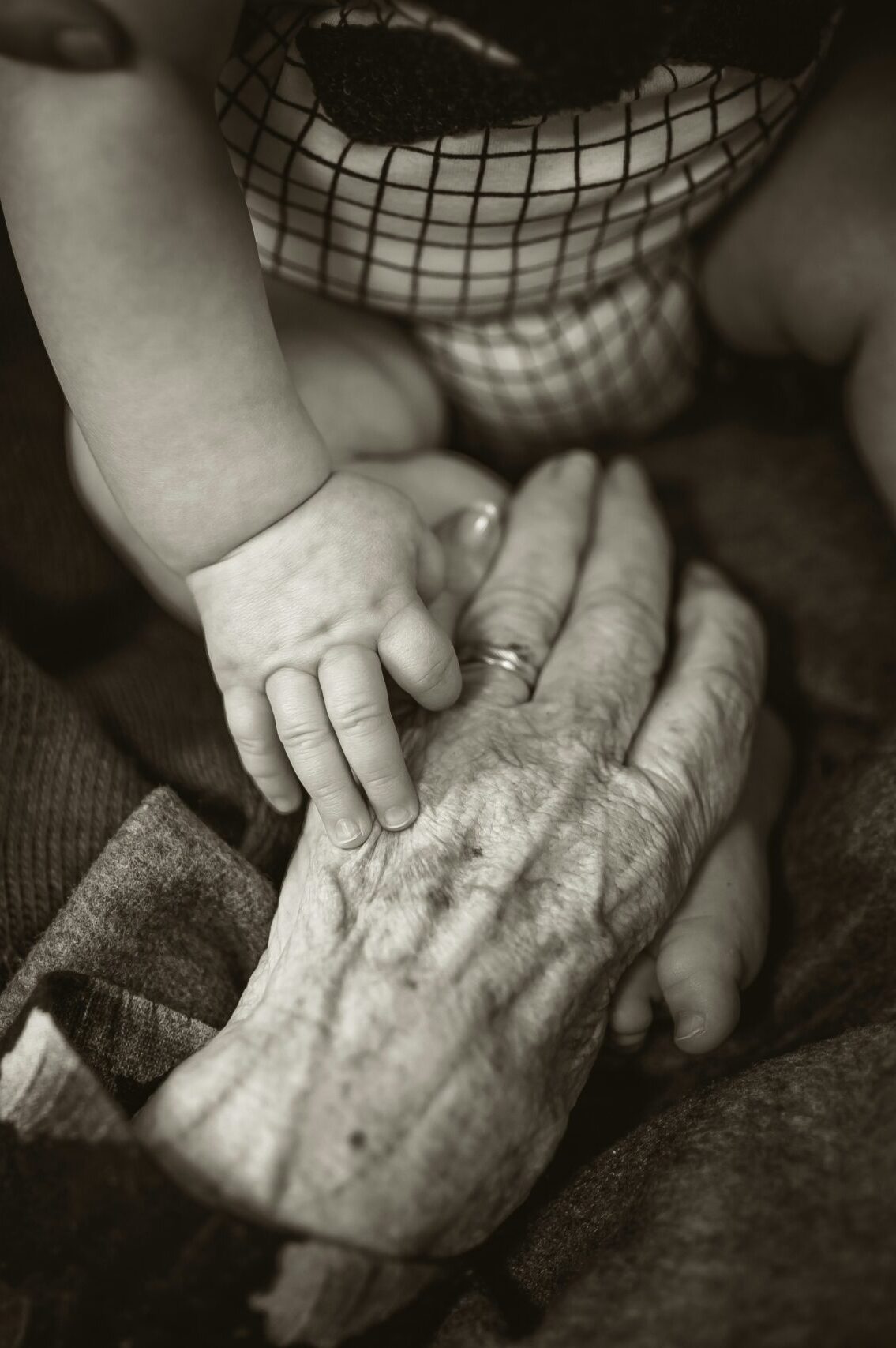 The problem, of course, is that we often mistake the map for the place. We flatten millions of singular lives into caricature: Boomers are entitled, Millennials are fragile, Gen X is cynical and forgotten (which, to be fair, they seem perversely proud of). It’s lazy, and worse, it becomes a self-fulfilling tribalism. Once we start talking about “them,” it’s a short walk to blaming “them” for everything from the housing market to the decline of cursive handwriting.
But that’s not the only way to use these labels.
I’ve found, especially as I get older, that generational thinking can be a bridge rather than a barricade. It gives me a way to make sense of people who might otherwise feel baffling. Why does someone twenty-five years younger than me see work, relationships, or even identity so differently? It’s easy to chalk it up to naïveté or stubbornness. It’s harder—and more generous—to ask what world shaped them into that perspective.
Likewise, it offers a lens on our elders. Instead of dismissing them as out of touch, we can recognize the forces that formed them: scarcity, war, upheaval, or a very different social contract. It doesn’t mean we have to agree with them, but it nudges us toward understanding, which is a more durable form of respect.
There’s also a storytelling value here that I can’t ignore. As a writer, I’m drawn to the idea that generations carry narrative DNA. They inherit certain fears and aspirations, then pass them along, altered, to the next cohort. When you start to see it that way, generational labels aren’t cages; they’re context. They help explain why a character—or a real person—moves through the world the way they do.
Still, the key is to hold these labels loosely. The most interesting people I know are the ones who defy their generational stereotypes, who seem to have one foot planted in their time and another somewhere entirely their own. They remind us that while history shapes us, it doesn’t script us.
So do generational categories divide us into tribes? They can, if we let them harden into judgments. But they can also serve as a kind of translation guide, helping us navigate the differences that time inevitably creates between us. The trick is to use them not as verdicts, but as invitations—to curiosity, to empathy, to the long conversation between past and future that we’re all, whether we like it or not, a part of.
And if nothing else, they give us something to argue about at Thanksgiving, which may be the most universal human tradition of all.